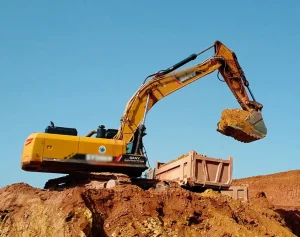
An excavation estimate can be perplexing when it is full of figures, small notes, machine names, and charges you do not understand. A precise estimate puts you in control before digging begins since it tells you what the crew will perform, what the price covers, and where extra costs may come up.
This clarity is important because excavation supports foundations, roadways, drainage systems, utility lines, septic areas, retaining walls and building pads. Missing a vital step can result in delays and extra charges. All you need to do is know what details go on the page.
Start With a Clear Scope
The project description should explain the exact work being priced. Broad wording such as “dig site” leaves too much room for confusion. A stronger scope states the work area, planned depth, soil removal, grading needs, and expected finish.
The scope should identify:
The location and size of the excavation
The intended depth and final grade
The purpose of the digging
Surfaces or structures needing protection
The expected condition after completion
This section helps you compare estimates fairly. One contractor may include grading, hauling, and cleanup, while another may price only the digging. Therefore, compare the written scope before comparing totals.
Site Preparation and Access
Excavation rarely begins the moment equipment arrives. The crew may need to remove brush, open an access route, protect a driveway, move a gate, or mark the work zone. The estimate should explain how machines and trucks will enter the property. It should also state whether lawn repair, fence removal, dust control, erosion control, or temporary barriers are included.
Narrow gates may require smaller equipment. Soft ground may need gravel or mats. Low branches can block dump trucks. When these conditions appear in writing, you can see how the crew plans to protect the property.
Labor and Equipment Charges
Labor should be easy to follow. A single line marked “labor” may not explain the crew size, workdays, hand digging, machine operation, supervision, or cleanup.
A useful estimate may include:
Estimated crew size
Labor hours or workdays
Machine operator time
Ground worker time
Hand digging near structures or utilities
Final cleanup labor
The quote should also name the main equipment. Common machines include excavators, mini excavators, skid steers, trenchers, compactors, loaders, and dump trucks. Delivery, pickup, fuel, attachments, and operator time should be included or excluded.
Equipment size matters because it affects speed, access, and possible ground damage. A large excavator may move soil faster, but it may not fit through a narrow entrance. Clear machine details show whether the work plan matches the property.
Soil Conditions and Hidden Material
Ground conditions can change excavation costs quickly. Clay may become heavy when wet. Loose soil may require support. Rock can slow digging. Buried concrete, old pipes, roots, trash, or construction debris may require more labor and hauling. The estimate should state which conditions were assumed when the price was prepared. It should also explain how unexpected material will be handled.
A fair process usually includes written notice, site photos, updated pricing, and owner approval before extra work continues. This protects your budget while giving the crew a clear way to handle hidden conditions.
Utility Locating and Safe Digging
Buried gas, power, water, sewer, cable, irrigation, and septic lines create serious risks. The estimate should assign responsibility for public utility marking and private line locating.
Private lines may include irrigation pipes, landscape lighting, power to a shed, or septic connections. The quote should also mention hand digging near marked lines, required clearances, and the process used when an unknown line appears. Clear responsibility reduces the chance of service loss, property damage, injury, and repair charges. It also shows that surface markings do not replace careful digging.
Soil Hauling and Disposal
Excavated soil needs a written destination. Some soil may be reused for backfilling or grading. Extra material may need to be hauled away. Rock, roots, concrete, wet clay, and mixed debris may carry separate disposal fees. The estimate should state whether material will be:
Stockpiled on the property
Reused as backfill
Spread in an approved area
Loaded and hauled away
Taken to a disposal site
Truck time, disposal charges, and included load limits should also appear. Without these details, a low estimate can grow after digging begins.
Backfilling, Compaction, and Grading
Digging is only part of many excavation projects. The open area may later need backfill, compaction, imported gravel, drainage shaping, and final grading. The quote should identify the backfill material, placement method, compaction process, and finished slope.
The estimate should separate rough grading from final surface work. Seed, sod, pavement, concrete, gravel topping, and landscape repair may not be included unless listed.
Permits, Timeline, and Inspections
Some projects require permits, inspections, soil tests, traffic controls, or trench safety measures. The estimate should state who arranges each item and who pays the related fees.
The timeline should include an expected start window, estimated work length, inspection pauses, weather delays, and coordination with other crews. This information helps you plan property access, deliveries, pets, children, tenants, and daily routines.
Exclusions, Changes, and Payment Terms
Exclusions show the real limits of the price. Common exclusions include rock removal, water pumping, landscaping repair, engineering, permits, imported fill, pavement repair, and hidden debris. The estimate should also explain the change order process. Each change should include the reason, added work, cost, schedule effect, and written approval.
Payment terms should list the deposit, progress payments, final payment, taxes, fees, cancellation terms, and estimate expiration date. Payments linked to visible project stages make the budget easier to track.
Final Verdict
A good excavation estimate is a written work plan, not a total price. It should describe the scope, access, labor, equipment, dirt, utilities, hauling, backfill, permits, schedule, exclusions, revisions, and payments. Latitude Groundscape provides excavation, site preparation, soil backfilling, and related land services to property owners considering residential or commercial excavation in Star, Idaho. Clear estimates help customers compare work fairly, protect their property, and understand every stage before equipment arrives.