
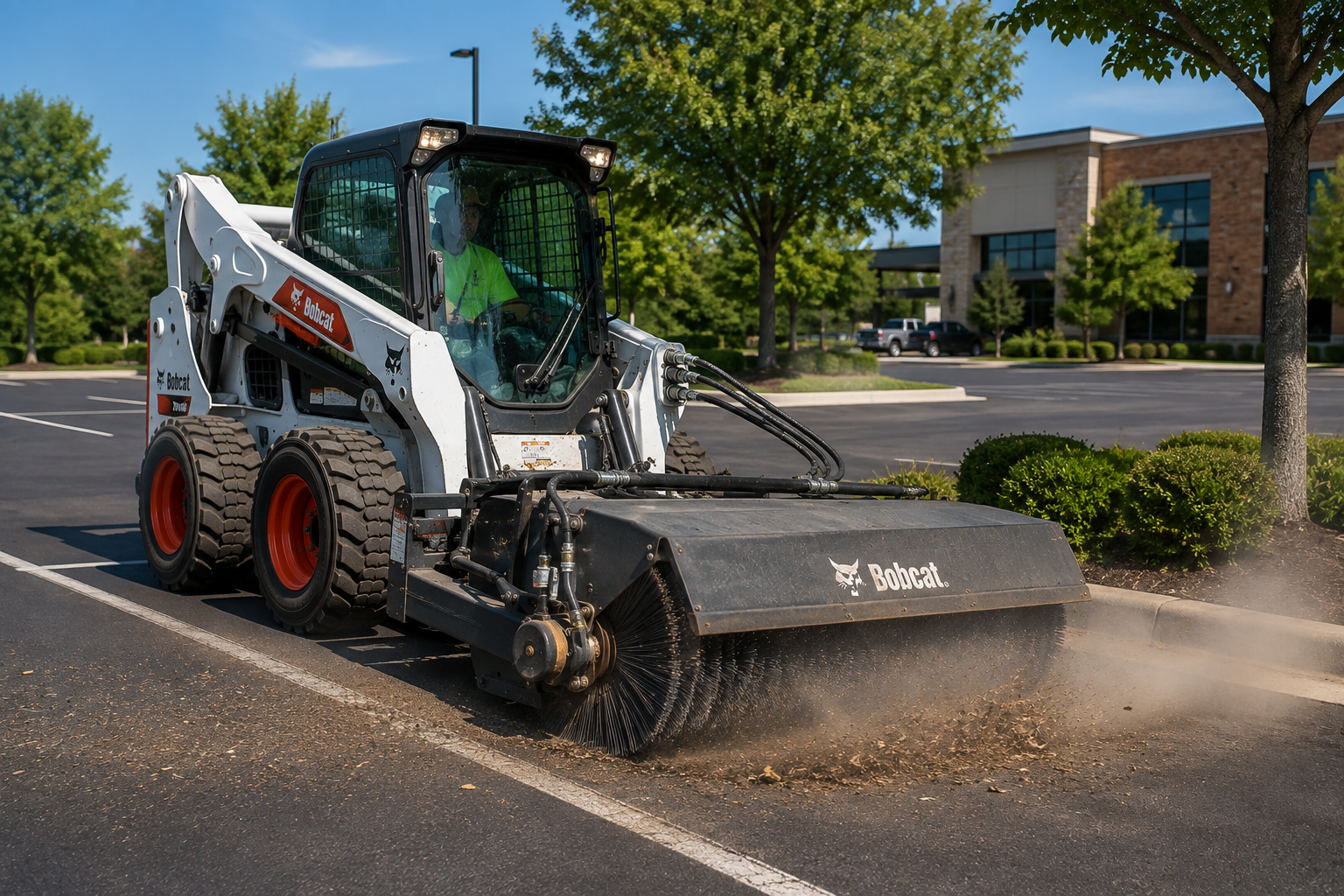
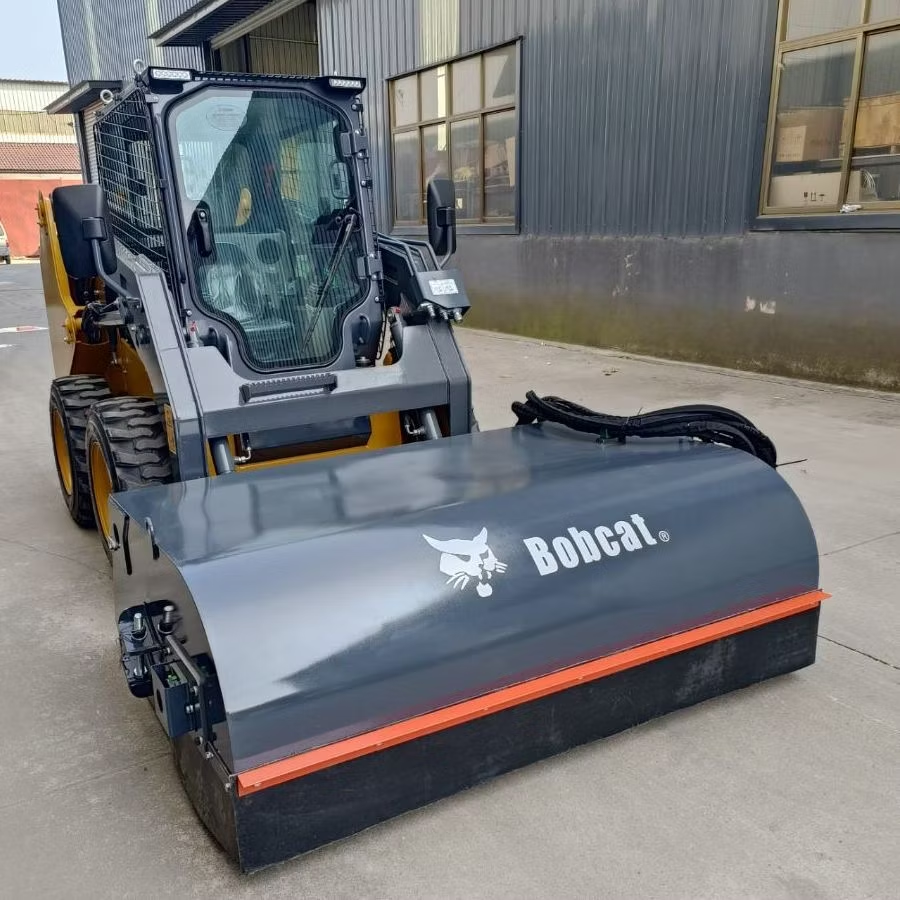
A customer often notices the pavement before the front door. Crushed cups near the curb, loose grit across the driving lane, and paper trapped beside wheel stops can make a property feel poorly managed. Latitude Groundscape provides parking lot sweeping , for shops, offices, warehouses, and commercial sites that need a cleaner arrival. We study the lot before the machine begins. The traffic lane shows the heaviest tire movement.
The curb line holds windblown litter. The loading area collects dirt from delivery vehicles. These details set the sweep route and working speed. A main broom loosens packed debris, a side brush reaches pavement edges, and the hopper stores collected material. Each part has one job. You receive a surface that looks orderly, gives customers a better first impression, and helps your staff start the day without scattered waste around entrances or parking rows.
Commercial lots collect several materials each day, and each one affects the property differently. Our parking lot sweeping removes buildup before traffic spreads it into stalls, doorways, and curb corners. We plan around store hours, deliveries, parked vehicles, and customer traffic so pavement stays open for cleaning.
A route keeps the work steady from one end of the property to the other. The broom contacts pavement, the brush moves debris inward, and the hopper removes it from the lot. That organized commercial parking lot sweeping gives managers a visible result.
A neglected lot creates problems beyond appearance. Dust rises when cars turn. Loose stones move toward tires and paths. Wet leaves flatten against pavement and become harder to collect. Food waste near entrances can produce odors and attract pests.
With commercial parking lot sweeping these materials are gathered before they interfere with business activity. We focus on places customers use, including front rows, pickup areas, cart returns, and paths.
A cleaner surface supports movement, markings, and a cared-for commercial setting throughout the week.
A sweeping schedule should fit the way your property operates. Some sites need service after closing. Others need visits before employees and customers arrive. Leaf fall, construction traffic, busy delivery periods, and dry weather can change how quickly debris returns. Latitude Groundscape sets parking lot sweeping services around those conditions, using a route made for the property.
We review access, traffic flow, blocked stalls, and areas with heavy buildup. The operator follows a planned path, gives attention to curb pockets and corners, then checks the surface for missed material. Clear communication helps your team open rows and move vehicles when needed. Recurring visits stop the lot from reaching heavy buildup again. A one-time visit clears a mess or prepares the property for an event, inspection, or busy season. Contact Latitude Groundscape to arrange a practical cleaning schedule for your commercial parking area.
Our operators adjust broom contact and machine speed to suit the pavement condition. The right setting lifts grit without throwing material across nearby cars or storefronts, helping protect painted lines while giving your commercial lot a cleaner, more even finish.
During parking lot sweeping a full hopper can spill material onto pavement, so load levels matter. We watch collection capacity throughout the visit. This results in litter, leaves, and grit leaving the property instead of returning to cleaned areas.
Loose debris should enter the sweeper, not drain openings. Our cleaning path moves surface waste toward collection points and away from grates. This helps your commercial property avoid packed drain edges, messy runoff paths, and repeat cleanup after the next rain.
A sweeper can collect loose glass, screws, nails, wire pieces, and other sharp surface debris. Larger fragments may require hand pickup before the machine passes. Fast removal helps lower the chance of tire punctures, customer complaints, and sharp objects being carried toward entrances.
Regular sweeping removes loose grit near pedestrian approaches before shoes and cart wheels carry it indoors. This can reduce dirty entry mats, scratched flooring, and repeated floor cleanup. Businesses with steady foot traffic often benefit from keeping the pavement closest to their doors especially clean.
Light moisture may not stop a cleaning visit, though soaked dirt and standing water can hide or hold debris against the pavement. Heavy, wet material is harder for a sweeper to lift. Waiting until the surface dries often provides stronger pickup and fewer leftover patches.
Mechanical sweeping mainly collects loose surface material. Oil marks, rubber streaks, and pressed gum bond to pavement and usually need focused cleaning rather than a standard sweeping pass. A clear service review helps property managers understand which marks can be collected and which need separate attention.
Covered garages require attention to ceiling height, turning space, ramps, ventilation, and overhead pipes. Before arranging parking lot sweeping the site layout should be reviewed so the selected machine can move safely and reach each usable driving and parking level.
Latitude Groundscape serves homes and businesses with dependable excavation and property care, using capable equipment, local knowledge, and steady effort across every demanding site project.