
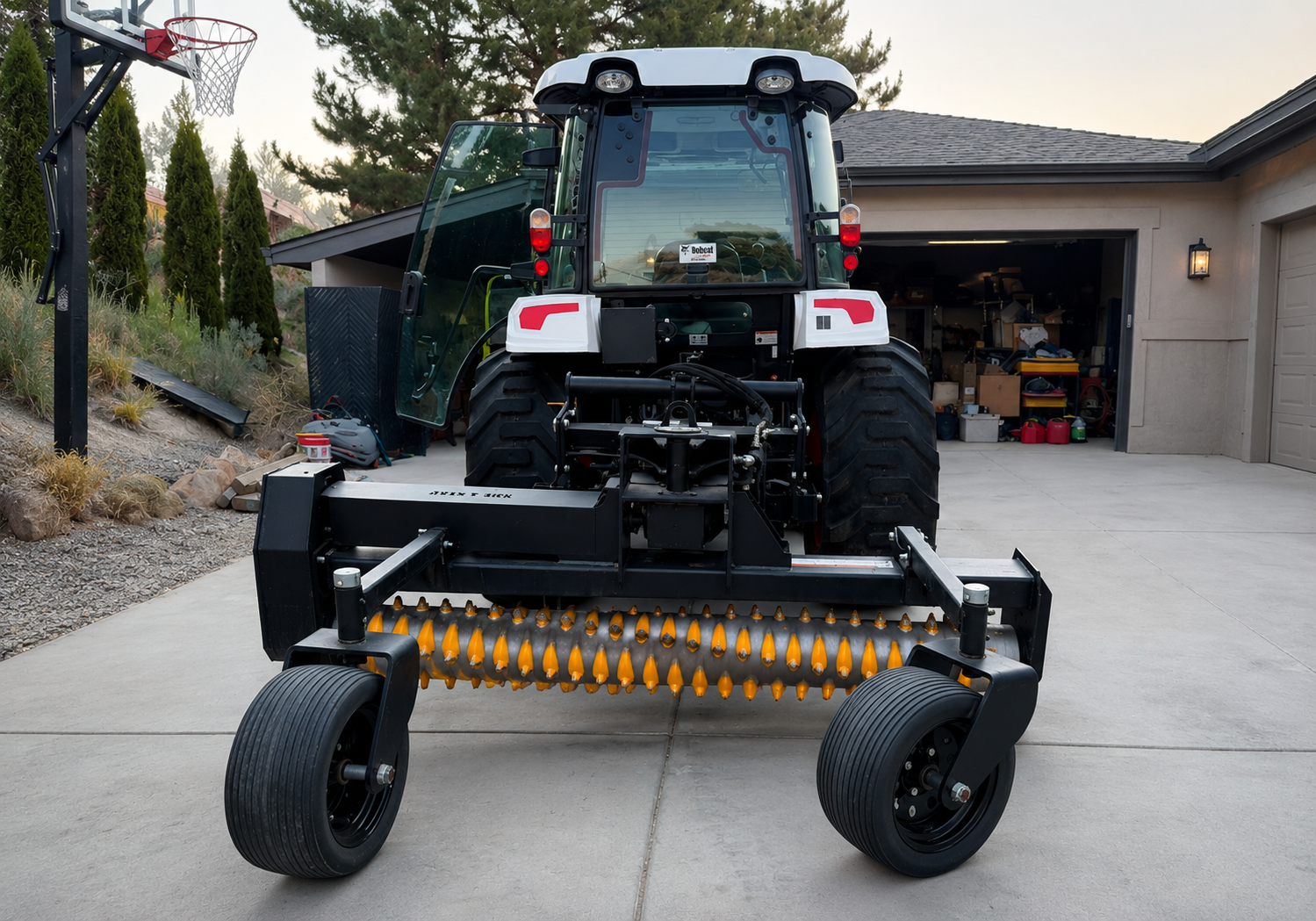
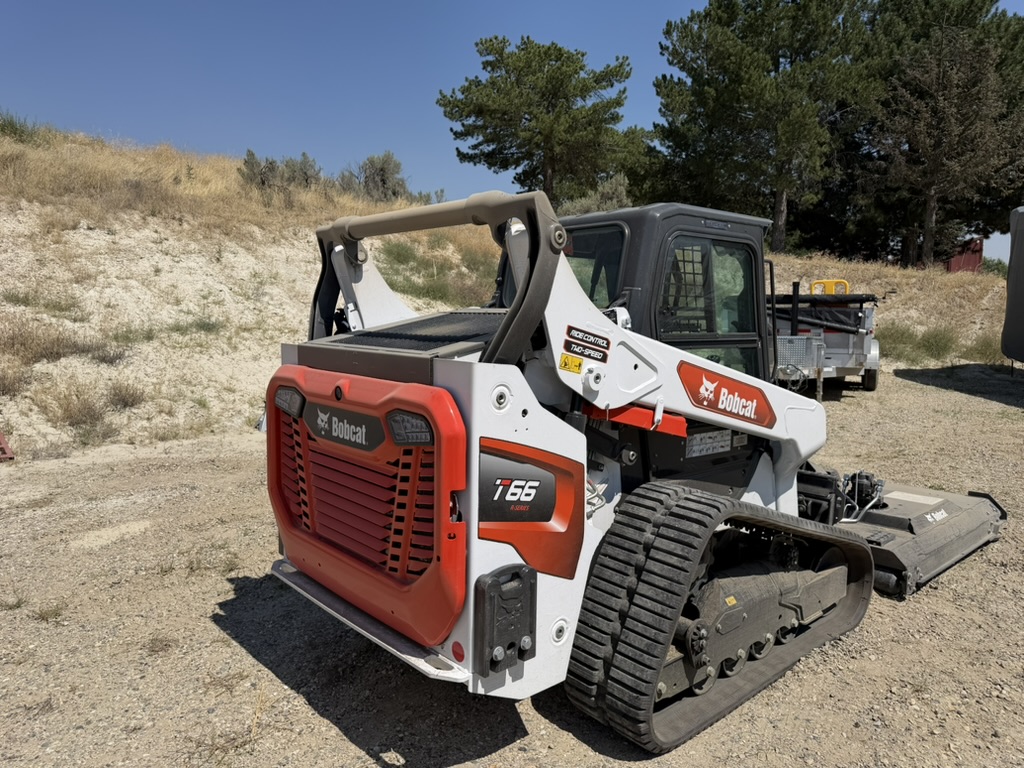
A worn gravel driveway does not always need to be completely replaced. At Latitude Groundscape, we first evaluate the material already in place and determine whether the existing aggregate can be reshaped, recovered, graded, and compacted to restore a dependable driving surface.
Ruts, washouts, potholes, loose gravel, poor drainage, and low areas can make an otherwise usable driveway difficult to navigate. Our goal is to correct those problem areas while making the best possible use of the gravel you already have. When additional material is necessary because of severe erosion, thin sections, or failing base conditions, we will identify those needs and quote the additional aggregate accordingly.
Many gravel driveways lose their shape over time rather than completely fail. Vehicle traffic can push stone toward the shoulders, rainfall can create channels and washouts, and low spots can begin holding water. Instead of automatically recommending replacement, Latitude Groundscape looks for opportunities to restore the driveway using the aggregate already on the property.
Our restoration process may include pulling displaced gravel back into the driving lane, repairing ruts and potholes, correcting uneven areas, restoring the crown or proper slope, improving drainage, and recompacting the surface. This approach can extend the useful life of an existing driveway while reducing unnecessary material costs.
Every driveway is different. Some can be restored primarily with the material already in place, while more severe conditions may require additional stone or base material. We will evaluate the surface first and explain what is needed before moving forward.
When a property needs a completely new gravel driveway, Latitude Groundscape can handle the project from ground preparation through final grading and compaction. We evaluate the route, soil conditions, drainage, vehicle access, driveway width, and intended use before material is placed.
A properly prepared driveway starts below the finished gravel surface. Soft or unstable areas may require additional base preparation, and certain conditions may benefit from separation fabric or additional aggregate. The driveway is then shaped so water moves away from the primary wheel paths and does not collect in low areas.
New driveway layouts can include straight residential entrances, curved approaches, long rural driveways, parking areas, turnaround spaces, and access routes for trailers, work vehicles, and regular deliveries.
Even a properly restored or newly installed gravel driveway will change over time due to weather, traffic, snow removal, and seasonal ground movement. Routine maintenance can prevent small surface problems from developing into larger repairs.
Maintenance may include light grading, reshaping the crown, pulling gravel back into place, filling shallow depressions, recompacting loose areas, and adding material where the surface has become thin.
Latitude Groundscape focuses on keeping your driveway functional, properly drained, and comfortable to drive rather than waiting until major repairs become necessary.
We first look at how much of your existing driveway material can be reused. When the aggregate already in place is suitable, we reshape and compact it instead of immediately recommending complete replacement.
If additional gravel or base material is necessary, we identify where and why it is needed. More extreme conditions requiring additional aggregate are quoted separately so you understand the work before it begins.
A gravel driveway needs more than additional stone. We address slope, drainage, compaction, low areas, and displaced material so the finished surface performs better during daily vehicle use and changing weather conditions.
In many cases, yes. If the existing aggregate is still usable, we may be able to pull displaced material back into place, reshape the driveway, repair ruts and potholes, restore proper drainage, and compact the surface. We evaluate the condition before recommending additional material.
Whenever practical, yes. Our first approach is to work with the aggregate material already in place. If sections are too thin, badly washed out, contaminated with soil, or lacking a stable base, additional gravel may be recommended and quoted.
Additional material may be needed when the existing driveway has severe washouts, exposed soil, deep low areas, insufficient aggregate depth, or base problems that cannot be corrected with grading alone.
Yes. We can reshape damaged areas, redistribute existing gravel, correct drainage issues, fill problem sections as needed, and compact the surface to create a more dependable driving area.
Yes. In addition to gravel driveway restoration, Latitude Groundscape can prepare and install new gravel driveways, rural access routes, parking areas, and turnaround spaces based on the property and intended vehicle use.
Latitude Groundscape serves homes and businesses with dependable excavation and property care, using capable equipment, local knowledge, and steady effort across every demanding site project.