
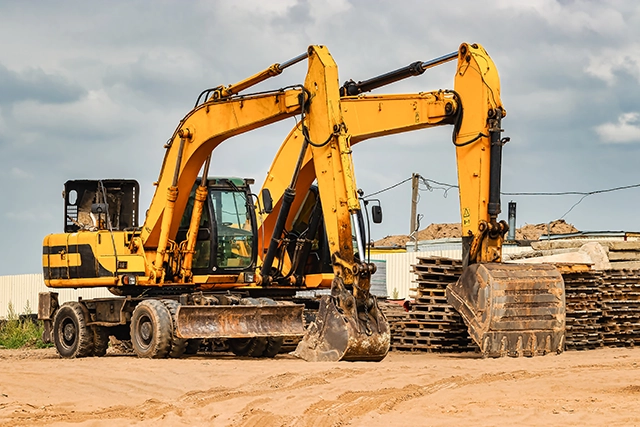

Uneven soil, buried debris, poor drainage, and tight access can slow a project before construction begins. Costs also rise when digging starts without checking grade, soil condition, utility routes, and equipment access. Poor preparation can also expose nearby surfaces to damage.
Latitude Groundscape prepares land with clear planning and capable machinery. Our excavation services in Ada County, ID support construction, drainage work, driveway preparation, trenching, foundation cuts, and site cleanup. We first review slope, entry points, soil type, work depth, and nearby structures. This review reduces delays, limits needless soil movement, and keeps each stage organized.
We plan each cut around the project needs, which helps our best excavation services in Ada County, ID deliver stable ground, clear edges, and organized work zones. We use specialized equipment built for demanding ground, including rural parcels, large lots, and spaces with limited access.
From properties near the Idaho State Capitol to land across the county, we focus on safe work and lasting site function. Each job follows a clear order, from assessment to excavation and cleanup. Call Latitude Groundscape at (208) 248-2820 to get a free consultation for your project.
Home excavation often begins with a small concern that becomes a larger property issue. Water may collect near a house, a driveway may lose shape, or an addition may need stable ground before concrete work starts.
As local excavation contractors in Ada County, ID, we prepare yards and lots for useful improvements. Our residential work supports home additions, detached garages, utility lines, drainage routes, gravel driveways, retaining wall bases, septic preparation, and landscape reshaping. Before equipment enters, we assess fences, trees, walkways, foundations, and neighbor access.
Our site excavation services in Ada County, ID follow the property size and next construction step. We avoid removing more material than needed. Instead, we shape the area so builders, plumbers, electricians, or concrete crews can work from a stable base. That protects planned finish heights.
Homes near Camel’s Back Park may have tighter access than rural parcels, so equipment choice matters. We review gate width, overhead clearance, turning room, surface protection, and haul routes first. This limits damage to finished areas and keeps the job moving in order. Homeowners receive recommendations based on site conditions, not a fixed package.
Commercial excavation loses time when haul paths are blocked, grades conflict with plans, or stockpiled soil sits in the wrong place. These issues can delay concrete crews, utility teams, delivery trucks, and inspectors.
As land grading and excavation experts in Ada County, ID, we support property owners, builders, and site managers with organized earthwork. Our work includes building pad preparation, parking area cuts, access road shaping, drainage swales, utility trenching, soil removal, backfilling, and rough grading. Before digging, we review equipment entry, traffic flow, spoil placement, work zones, and required elevations.
Our excavation services in Ada County, ID keep later trades working from ground ready for their tasks. We coordinate depth, slope changes, truck movement, and material handling so the site stays usable during construction. Clear work areas reduce avoidable rework and keep equipment away from completed sections. Measured cuts support later base and paving.
Latitude Groundscape serves commercial clients with specialized machinery and practical field planning. For larger sites, we divide work into phases that match the build schedule. Crews can then move between prepared zones without crowding the property. Call (208) 248-2820 to discuss access, grading needs, excavation limits, and planned property use.
We set digging depths and soil removal limits before work begins, helping protect nearby surfaces while keeping each excavation stage aligned with the planned site use.
Our local excavation contractors in Ada County, ID select machinery for trench width, soil condition, access limits, and digging depth, reducing unnecessary ground disturbance around the work zone.
We separate reusable soil from unsuitable material during excavation, helping manage backfill quality, disposal needs, and site conditions before the next construction phase starts on schedule.
Buried concrete must be exposed carefully, broken into manageable pieces, and removed before digging continues. Leaving it underground can block planned cuts or affect later construction. We review the obstruction and explain the added removal work. Then, we adjust the excavation order around the actual site condition.
Excavation may pause when wet soil loses strength or sticks heavily to machinery. Working too soon can damage the base and create unstable ground. We check soil firmness before restarting and remove weakened material when required. This helps preserve a firm surface for the next construction stage.
Soil expands after digging because compacted particles loosen and hold more air. This change, called soil swell, affects hauling loads and disposal volume. Through excavation services in Ada County, ID, we account for likely swell before estimating soil movement. That keeps trucking and stockpile needs realistic.
A base may move when weak, wet soil shifts under machinery pressure. Continued traffic can deepen ruts and mix soft soil into the prepared layer. We stop equipment movement and assess the affected ground. Weak material may need removal before excavation work can safely continue.
Trench stability depends on soil type, cut depth, moisture, and wall angle. Deeper or weaker cuts may require sloping, benching, or protective trench systems. We keep machinery and excavated soil away from unsafe trench edges. Work continues only after the trench has a stable setup.
Latitude Groundscape serves homes and businesses with dependable excavation and property care, using capable equipment, local knowledge, and steady effort across every demanding site project.