
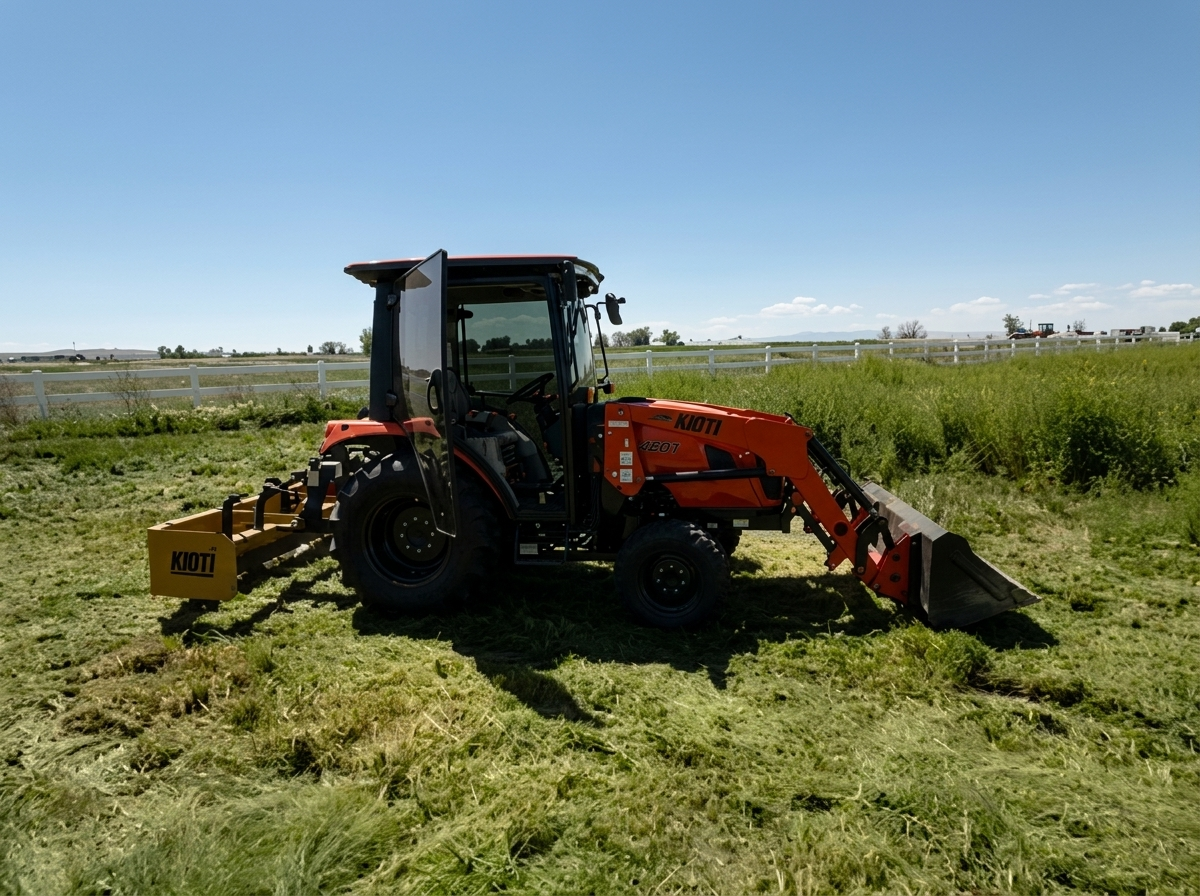
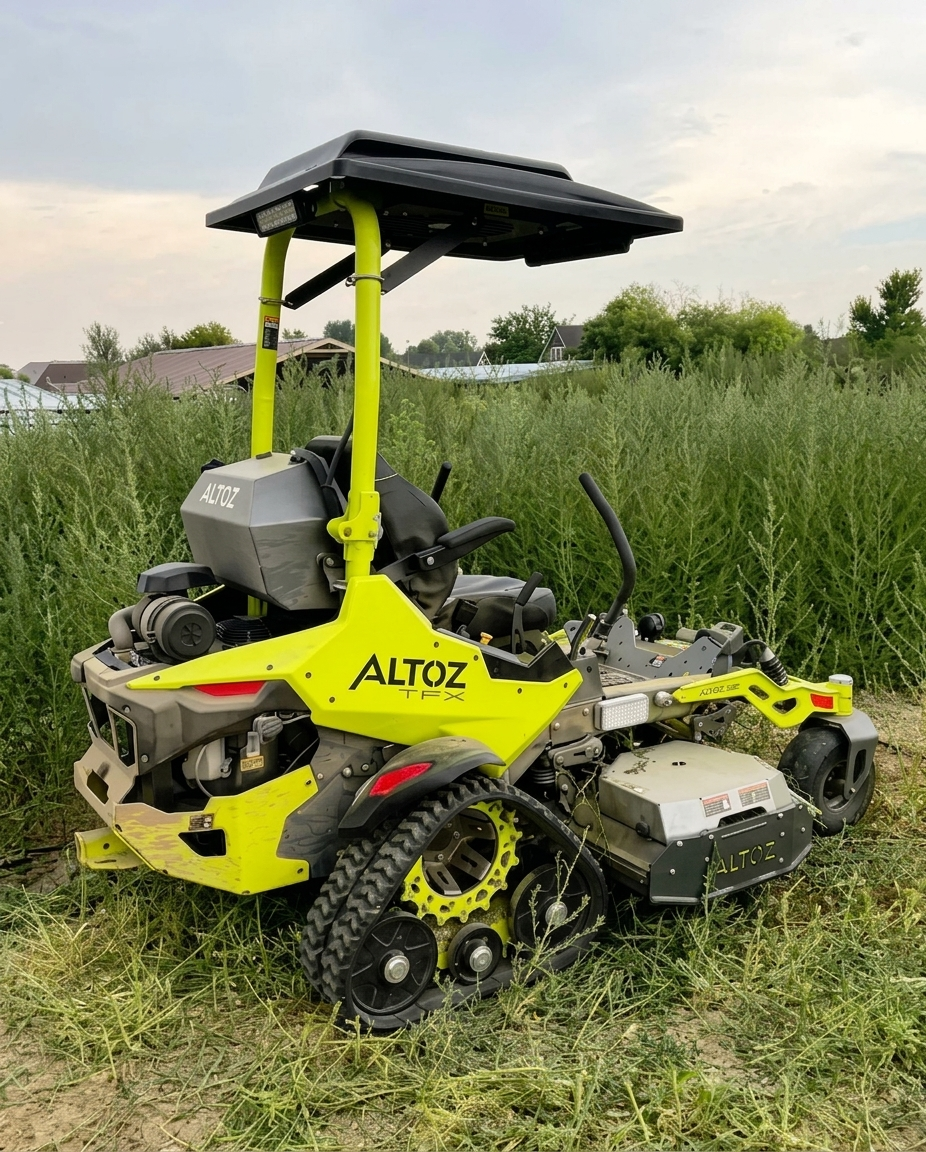
Tall grass doesn’t cover a field overnight. It spreads from fence lines, gathers around low ground, and hides the space you once used. Our field mowing services cut back grass and weeds so your land feels open, visible, and easier to manage again. Field growth creates problems when it blocks gates, hides ruts, covers boundary markers, and makes walking across the property harder. stalks grow brittle during Idaho weather.
We study the ground before the mower moves. Growth height sets the cutting pace. Slope angle guides the travel path. Soil firmness controls machine speed. Gate width limits equipment access. These site details help us choose mowing lanes and reduce missed strips. Each field receives a plan based on its size, surface, vegetation density, and intended use. You get an area that is simpler to inspect, reach, and maintain through the season.
Residential acreage holds more ground than a mower can handle. Our field mowing services help homeowners regain space around homes, fence lines, private lanes, barns, and unused corners. The work makes movement easier while keeping tall growth from taking over the property.
We match the cutting pattern to the ground. Flat acreage receives wider passes. Sloped areas receive steady travel lines. Tight edges receive slower mowing. One visit can reset a neglected section, while scheduled cuts can keep growth at a level that is easier to manage.
Commercial land needs to stay clear for owners, workers, tenants, and visitors to move around without pushing through vegetation. Our field mowing keeps open parcels, business acreage, roadside strips, and holding land easier to view and access.
With local field mowing the mowing route follows the layout of the property. Entry width sets the machine path. Traffic areas shape turning points. Vegetation thickness sets cutting speed. Boundary lines define the final pass. This careful setup supports a neater appearance, clearer access, and simpler planning for mowing visits throughout the growing season.
Wide fields and rough acreage need terrain-ready equipment. Our large property mowing in uses machines suited to tall grass, thick weeds, uneven soil, open ground, and sloped sections. Before cutting starts, we review the mowing boundary, entry points, obstacles, areas, and turning room. The field sets the route. The growth sets the speed. The slope sets the direction. The requested finish sets the number of passes. During the job, we follow lanes and adjust the mower as conditions change across the site.
Latitude Groundscape is a veteran-owned business serving Star and Idaho communities. We keep the process clear from the field review to the final pass. You know which area will be cut, how the work will move, and what result to expect. Contact our team to schedule field mowing and keep your acreage open, reachable, and easier to care for each season.
We pay attention to where open ground meets fences, gates, posts, and tree lines. Those edges shape how the field looks. A neater border gives your property a cared-for feel and helps you enjoy the land each time you see it.
Our field mowing services in can be scheduled around active growth, seed production, and dry weather. We help you choose mowing times so the field stays manageable longer and doesn’t return to heavy overgrowth soon after a cut.
When you book repeat mowing, we remember the field’s trouble spots, thicker sections, and slower-growing areas. Each visit builds on the last, giving you more consistent results and fewer surprises as the seasons change across your acreage year after year.
Heavy, damp growth can sometimes gather in rows after cutting. The mower’s travel direction, grass height, and moisture level all affect how the clippings settle. Slower passes or a second mowing direction may spread the cut material more evenly. Dry, lighter growth usually falls across the field in a thinner layer.
Yes. Livestock often leave tall patches around manure, water points, and less-preferred plants. Field mowing can level those missed areas and create more even regrowth. Before mowing, animals should be moved out of the work zone, and loose feeders, mineral tubs, portable fencing, and other movable items should be removed.
Visible markers help the mower operator leave safe space around irrigation risers, valve boxes, well parts, and low utility fixtures. Property owners should mark each item before the scheduled visit. Our field mowing services follow the marked work area and use slower movement near fixed field features.
Many flattened grasses and light vine patches can be mowed, though they often need slower travel. Thick vines may wrap around moving mower parts, especially when they form tight mats. We review the growth first and set a practical cutting path based on stem strength, tangling, and how closely the plants lie against the soil.
Grass that has fallen in one direction may escape the first cut because the mower passes over the laid-down stems. A second pass from another angle can lift and cut more of that growth. Two-direction mowing is mainly useful for flattened, tangled, or thick fields and isn’t needed on every property.
Latitude Groundscape serves homes and businesses with dependable excavation and property care, using capable equipment, local knowledge, and steady effort across every demanding site project.